
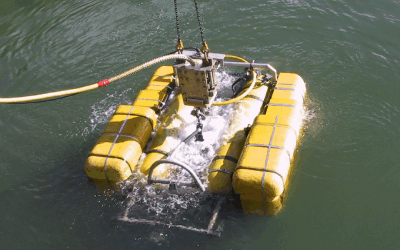
Underwater drones in rescue and humanitarian aid operations
In recent years, advances in technology have revolutionised not only the air transport sector but also the maritime sector. Underwater drones have evolved significantly, becoming an indispensable part of scientific research, maritime safety and rescue operations and natural resource management, as they are able to operate in difficult situations and collect accurate information, allowing us to deepen our knowledge of the marine environment.
Current applications of underwater drones
Today, underwater drones are used in a variety of actions, ranging from scientific research to the exploration of natural resources such as oil, gas and minerals. They also play key roles in underwater archaeology, inspection of submerged infrastructures such as underwater platforms, and search and rescue missions.
How do underwater drones help in rescue and humanitarian aid?
In terms of the applications of marine drones in rescue and humanitarian aid, we find:
- Search and RescueIn natural disasters such as floods, tsunamis or hurricanes, underwater drones are used to locate survivors in areas where visibility is reduced or conditions prevent access by boats. Equipped with thermal cameras, proximity sensors and sonar, these devices can track and send information in real time, allowing rescue teams to prioritise their efforts.
- Damage Assessment and Monitoring: In the aftermath of a disaster, assessing the extent of damage is crucial. Marine drones can collect data on water levels, damaged infrastructure, presence of debris and other critical variables. This helps authorities make quick decisions and organise resources effectively.
- Transport of Medicines and SuppliesMarine drones are also used to deliver essential supplies, such as medicines, drinking water and food, to hard-to-reach areas. They are especially useful in water-isolated or flooded areas where it is not safe to send human teams.
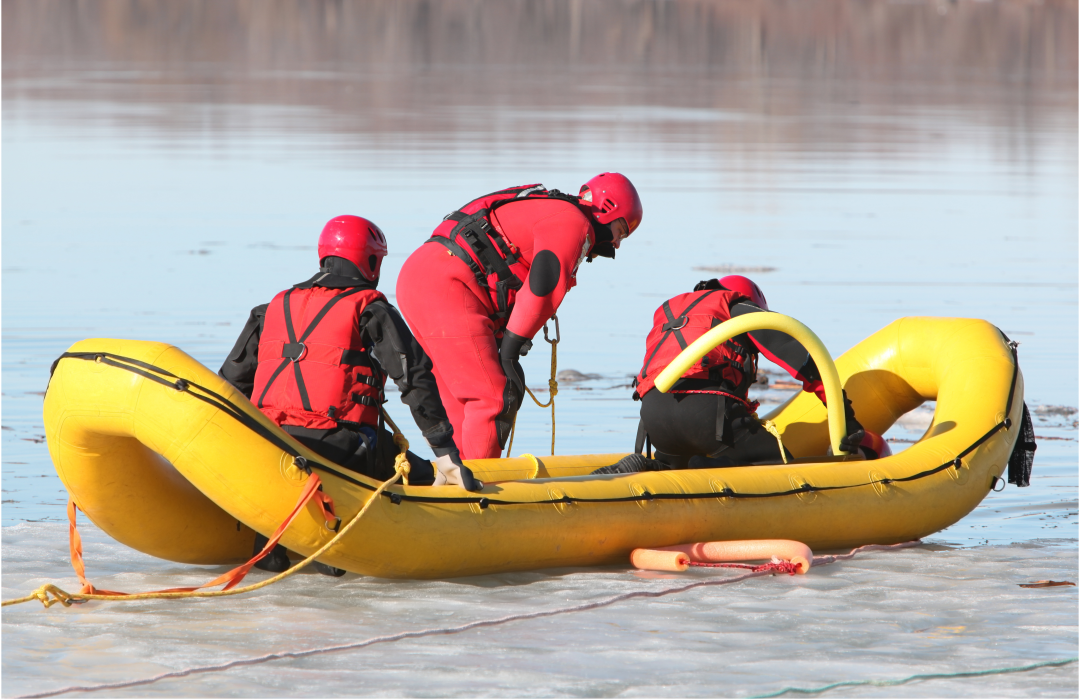
Key benefits of underwater rescue drones
Some key advantages that make underwater drones ideal in rescue and humanitarian contexts are:
- Autonomy and navigation capability: These drones can navigate autonomously, allowing monitoring from a distance, thus minimising human risk in dangerous operations.
- Reduced costs and response time: By being able to move remotely, drones significantly reduce operational costs and improve emergency response time.
- Operations in adverse conditions: Due to their design and ability to withstand extreme conditions, marine drones can operate in high-risk environments, such as storms or storm surges.
Conclusion
Underwater drones represent a strategic tool in rescue and humanitarian aid operations, offering a fast and effective response. Moreover, with the advancement of Artificial Intelligence, drones are expected to become even more autonomous, adaptive and efficient. If you want to know more about Artificial Intelligence and underwater drones follow EONSEA on social media.